
Techniques for Tying (in)to Upright Objects
Introduction to Hashira
Level 1 | Building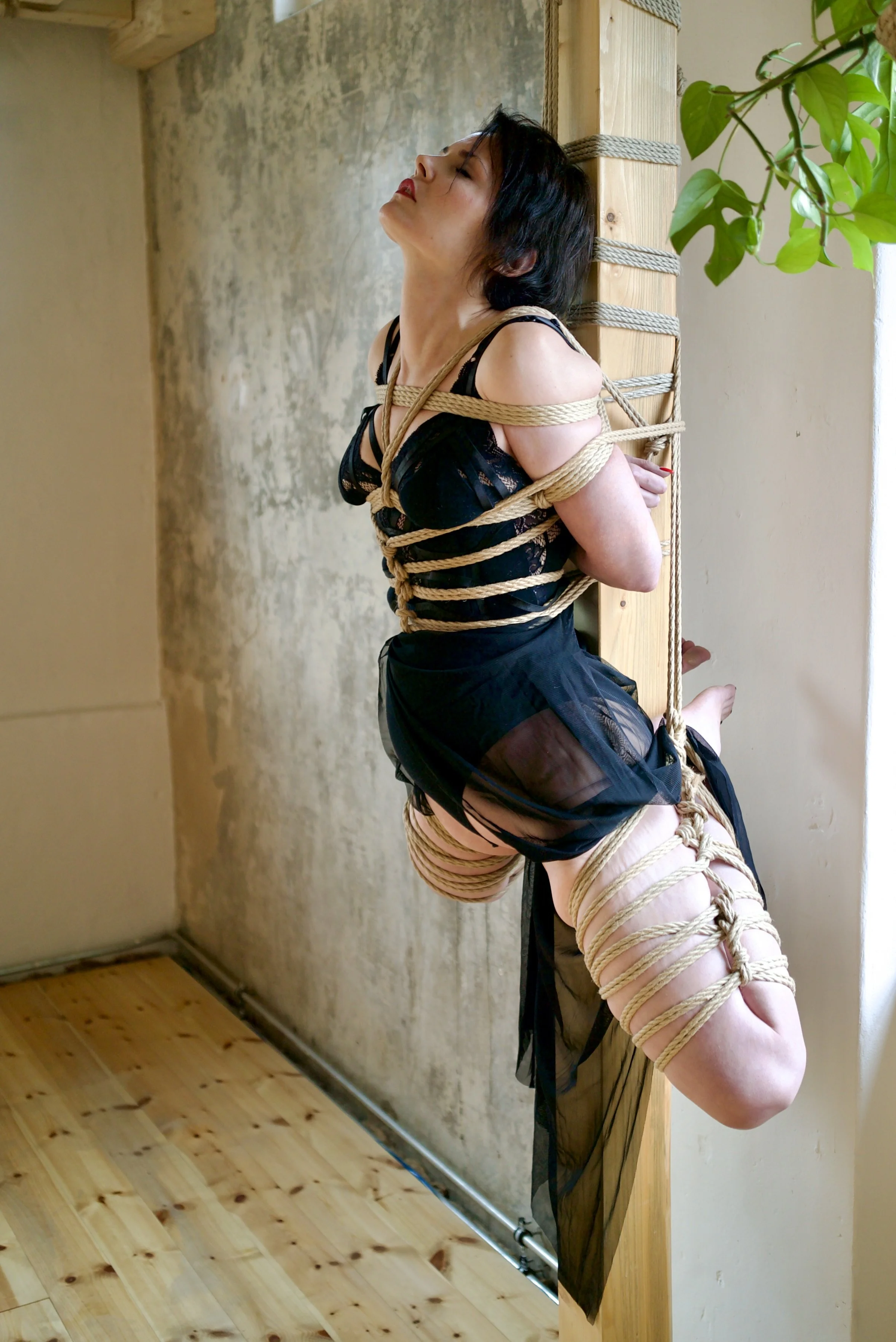
When done well, hashira tying can be intensely restrictive, offering unique possibilities for intimacy, dominance, and erotic tension that few other tying styles can match.
Next Dates
Always felt drawn to Hashira—but also a little intimidated by it?
Ztella’s Introduction to Hashira invites both riggers and models to explore this distinctive style of tying.
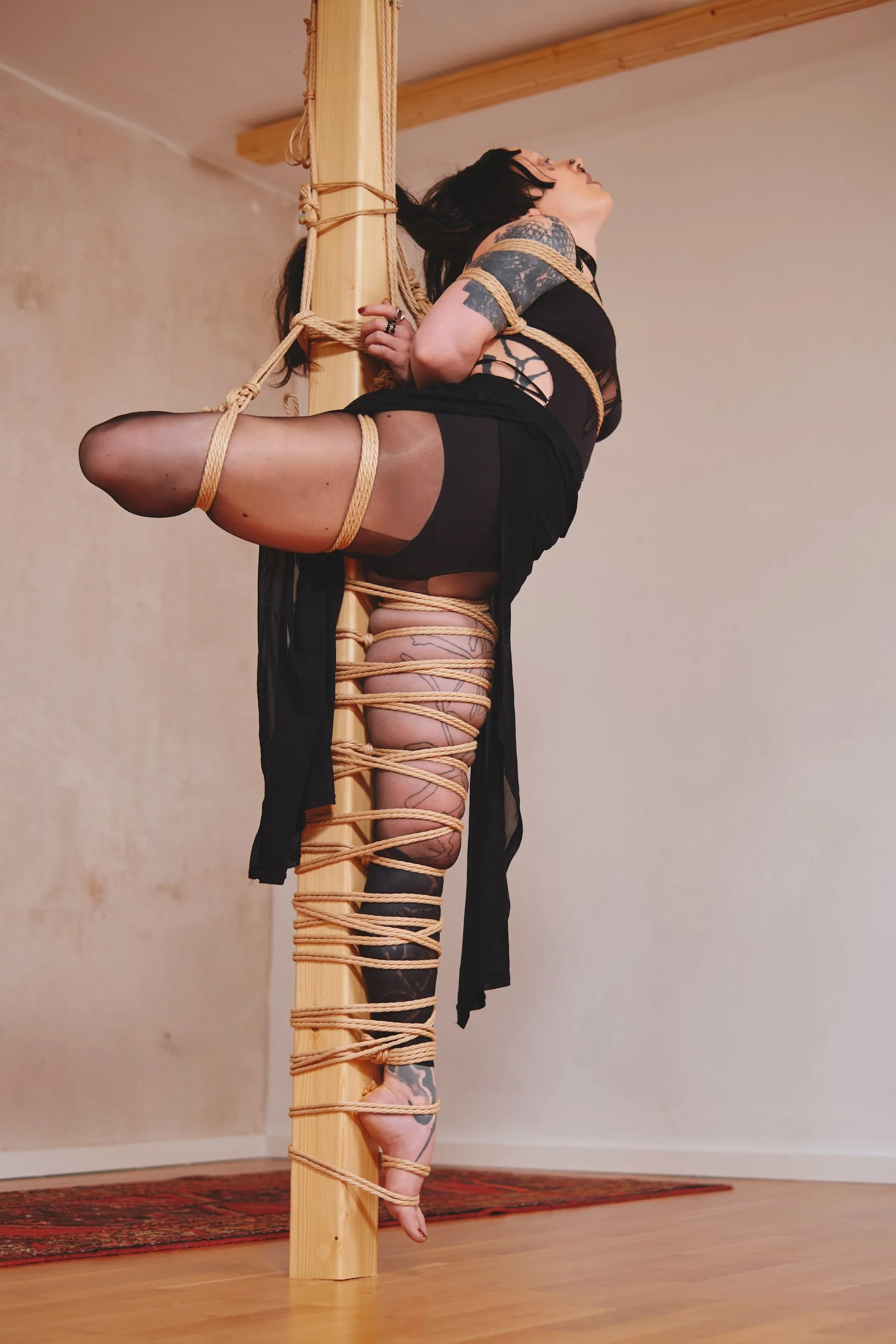
Hashira, literally meaning “pole” in Japanese, is the practice of tying someone to an upright structure. From wooden beams and trees to streetlights and architectural supports, hashiras are everywhere, and so is the potential to tie to them.
When done well, hashira tying can be intensely restrictive, offering unique possibilities for intimacy, dominance, and erotic tension that few other tying styles can match.
Although hashira introduces a static element and is often taught through fixed shapes and forms, this workshop uses those shapes as a foundation for flow, creativity, and session-building. At the same time, tying safely and enjoyably to an upright structure requires a very different skill set than suspensions on a ring or bamboo.
Over two days, this class breaks down the essential building blocks of hashira tying, giving you the tools to approach it with confidence, creativity, and care—whether you’re tying or being tied.
In this class you will learn:
How to safely attach anchor points to an upright beam (or other pole-like objects)
How to build uplines on a hashira:
This class will focus not only on uplines, but also on building lines that secure the model into the hashira—instead of simply hanging them in front of one
Basic harnesses specific to and useful for hashiras:
How to adapt these harnesses to your model in different situations
Some classic shapes and forms on hashira:
The focus of this class will, mostly, be on semi-suspensions in order to safely practice hashira skills—It will provide a solid base from which more complex hashira suspensions can be learned
Input and suggestions to create your own shapes and play using a hashira.
Further Information
This workshop is taught by Ztella.
People modeling/bottoming should have experience being tied in semi- or full suspensions, and a good understanding of, and ability to communicate, their feelings and their limits. Further, they should know how to check for motor nerve damage in their hands and be able to communicate if issues arise.
People tying should be able to tie single and double column ties as well as basic hitches (half- and munter hitches, quick releases, etc.) quickly. They should have first experiences tying semi- or full suspensions and harnesses required for such suspensions, as well as experience managing uplines on a ring and/or bamboo. They must be able to communicate clearly and calmly with the person they are tying.
Prerequisites:
Switching between two people is welcome in this class, just keep in mind that you may have less time for each exercise.